
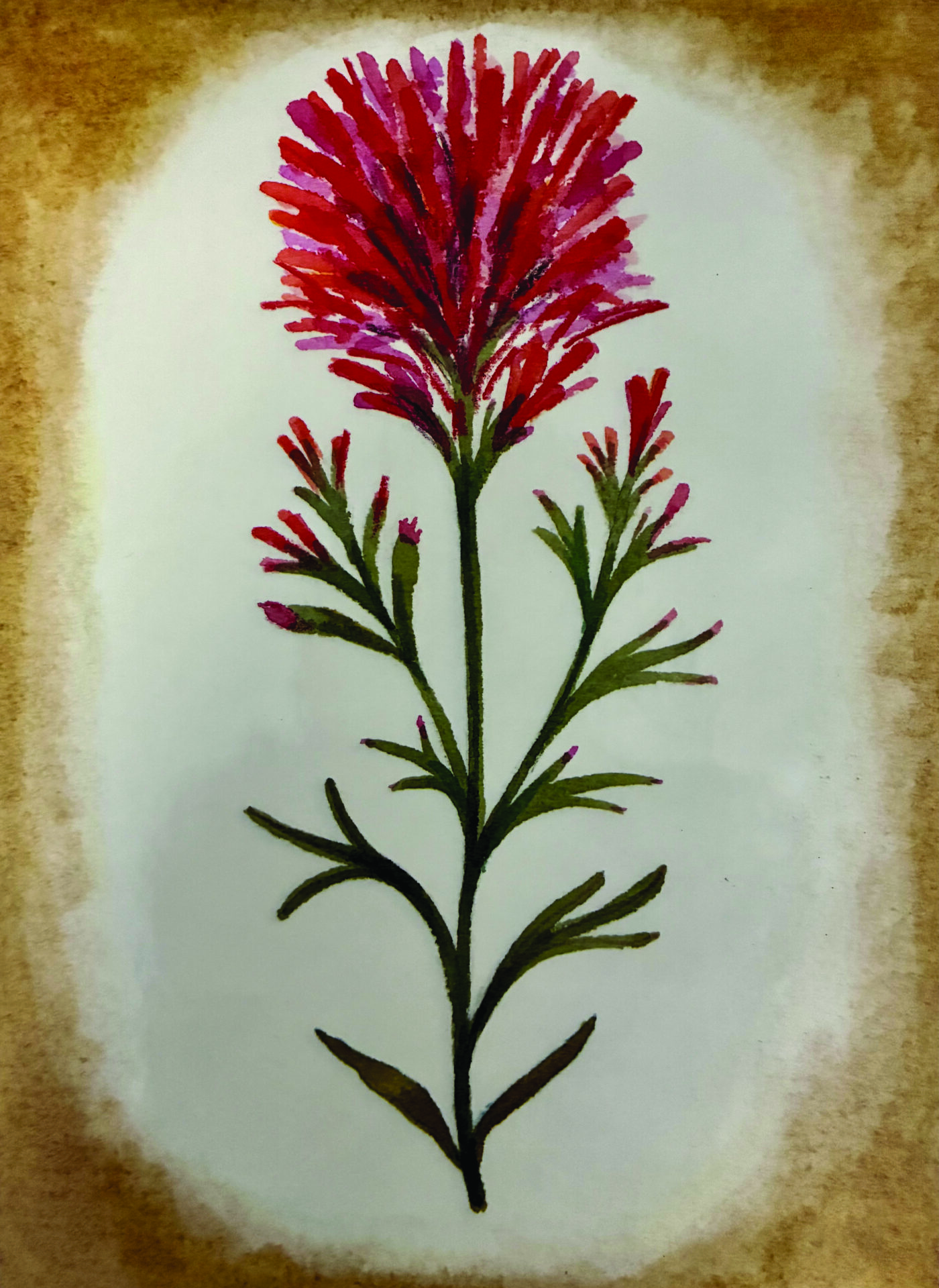
If you love to wander mountain trails, you’ll find the high meadows of the Vail Valley ablaze in summer with shades of red, persimmon, orange, yellow, fuchsia and creamy white — all hues of the Indian paintbrush.
If you’re curious and eager to learn the names of local wildflowers, this one is easy to identify thanks to its distinct, angular shape and varied palette. The “flower” is actually a leaf, not a bloom, and each plant looks as though it’s been dipped in paint, ready to adorn a canvas. But have you ever wondered how it got its name?
The secret is revealed in an old legend that celebrates the vision of a young boy and his perseverance in bringing his dream to life. Such simple stories are treasures to share and help us gain a deeper appreciation for the wisdom of Native American culture. The Legend of the Indian Paintbrush is brought to life for all ages in this classic picture book with glowing, full-color illustrations by the renowned, late Tomie dePaola.
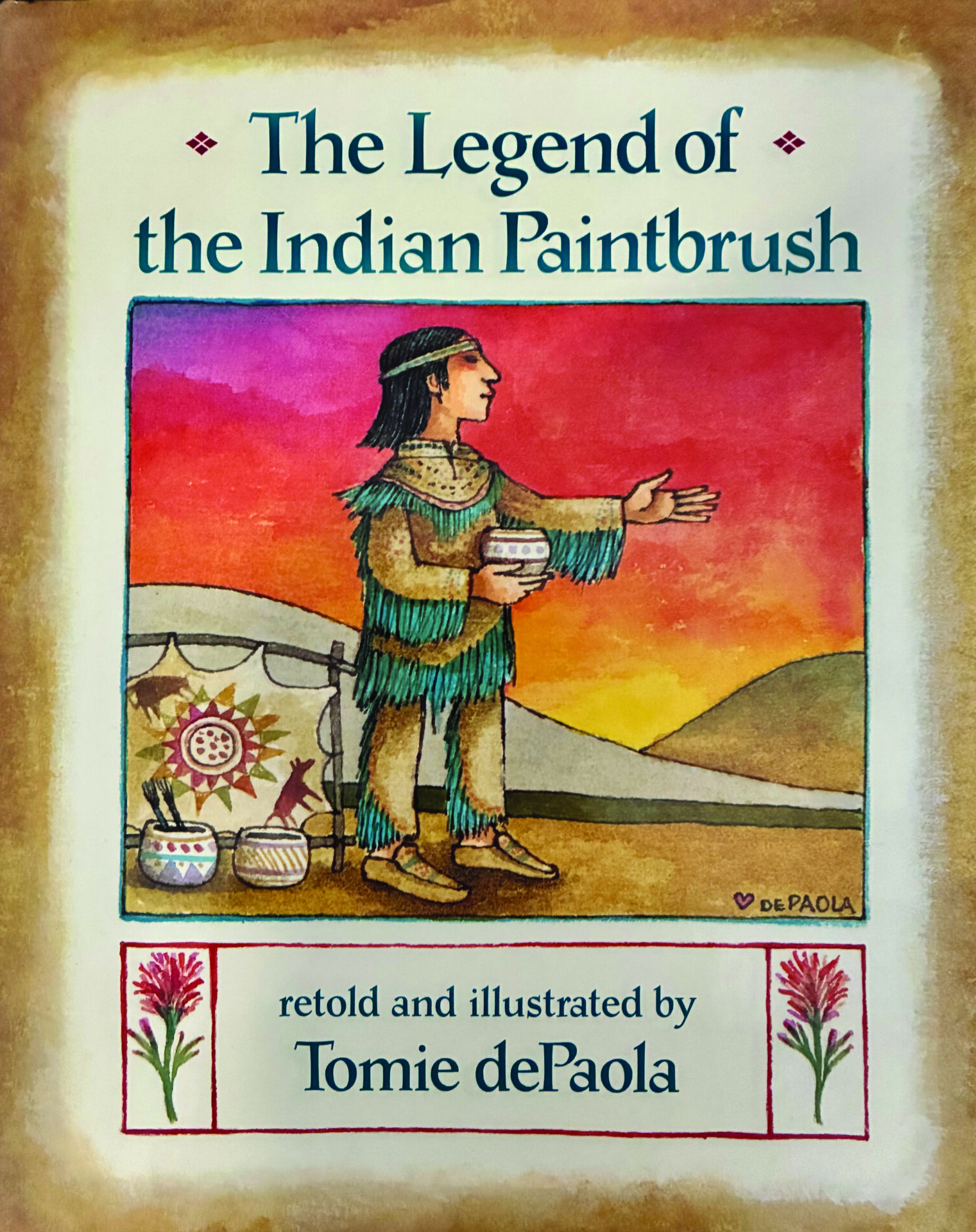
Little Gopher grew up smaller than the other children in his Plains Indian tribe. He could never match their athletic feats or brave conquests. But he had his own special gift as an artist and it became clear to his parents that he would follow a unique path. As he grew older and prepared to become a man, he set out alone on his vision quest. He was visited by a young maiden and an old grandfather who brought him a white buckskin, a brush of fine hairs and pots of paints.
“One day, you will paint a picture that is as pure as the colors in the evening sky,” they promised him.
Once his dream vision ended, the boy returned to his village and embarked on his journey to learn his craft. Each day, he practiced and painted, often longing to ride out with stronger warriors. Instead, he honored and pursued his dream. At evening, he climbed a nearby hill to watch the sunset, studying how he might capture its elusive colors. He never gave up trying.
One night, as he lay wide awake, a voice beckoned him to return to the hilltop with a clean buckskin. There he discovered brushes filled with paint, each one a different, authentic sunset hue. He worked quickly. When he was finished, he carried his new painting down to his people and left the brushes on the hillside. The next morning, the hills were alive with color where the brushes had taken root.
Over time, with faith, trial and error, Little Gopher stayed true to his vision to capture the grandeur of the sunset for his people. His gift would endure. Every summer season, the paintbrush colors return to beautify the landscape in tribute.
This book is a gem to savor. Once shared, the next time you spot an Indian paintbrush along the trail, my guess is that you won’t view this familiar neighbor in quite the same way.
